I recently tried a clever AI humanizer tool to rewrite some content, hoping it would pass AI text detectors. The detector said my text was human-written, which surprised me. Now I’m worried about accuracy and fairness of these detection tools. Has anyone else faced this issue or have advice on how reliable these tools are? Looking for insights and suggestions on what to do next.
Can You Outsmart AI Detectors? Here’s What Actually Worked for Me
So I fell down a rabbit hole lately, trying to figure out if it’s actually possible to write (or, okay, generate) stuff that won’t get flagged as “totally written by a robot” by AI detectors. I tried out a whole bunch of these so-called “humanizers,” most of them promising the moon and delivering…well, not much. But one stuck out—time to share receipts.
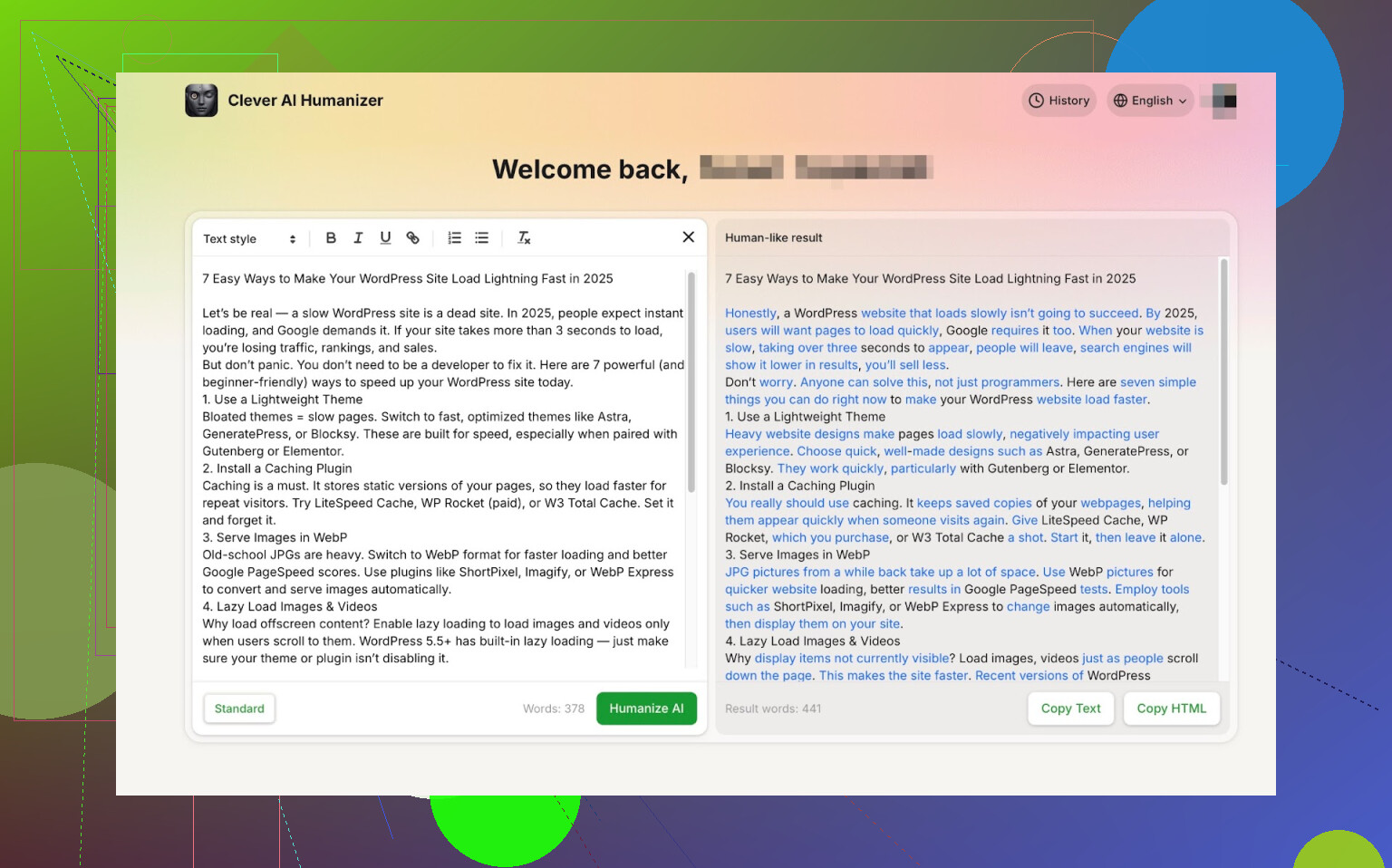
The Only Tool That Didn’t Annoy Me
I’m not here to gas anything up, but Clever AI Humanizer – best ai humanizer has been the only one that didn’t immediately make me want to toss my laptop out of a window. Free, actually free (not just “here’s three tries, now pony up” free), and surprisingly fast. I threw in paragraphs in different languages just to see if it would break—and, nope, it handled it. Now, not saying it’s Shakespeare, because sometimes it gaffes on commas or makes everything super plain. But as far as “can a basic AI detector catch this?”—it’s top-tier in my (pretty tired) book.
What’s The Catch?
Nothing’s perfect: sometimes a phrase feels like it’s lost in translation and some of the word swaps are…let’s say “enthusiastic.” Wouldn’t use it verbatim for an English lit essay. But is it good enough to sneak past most AI detectors in my testing? Yup.
The Test Gauntlet
Let’s be real: if you’re serious about this, you don’t trust just one detector. I copy-pasted my “humanized” text into three of the heavy hitters out there. Here’s my honest breakdown, with screenshots because who trusts words on the internet anymore?
1. ZeroGPT Runs
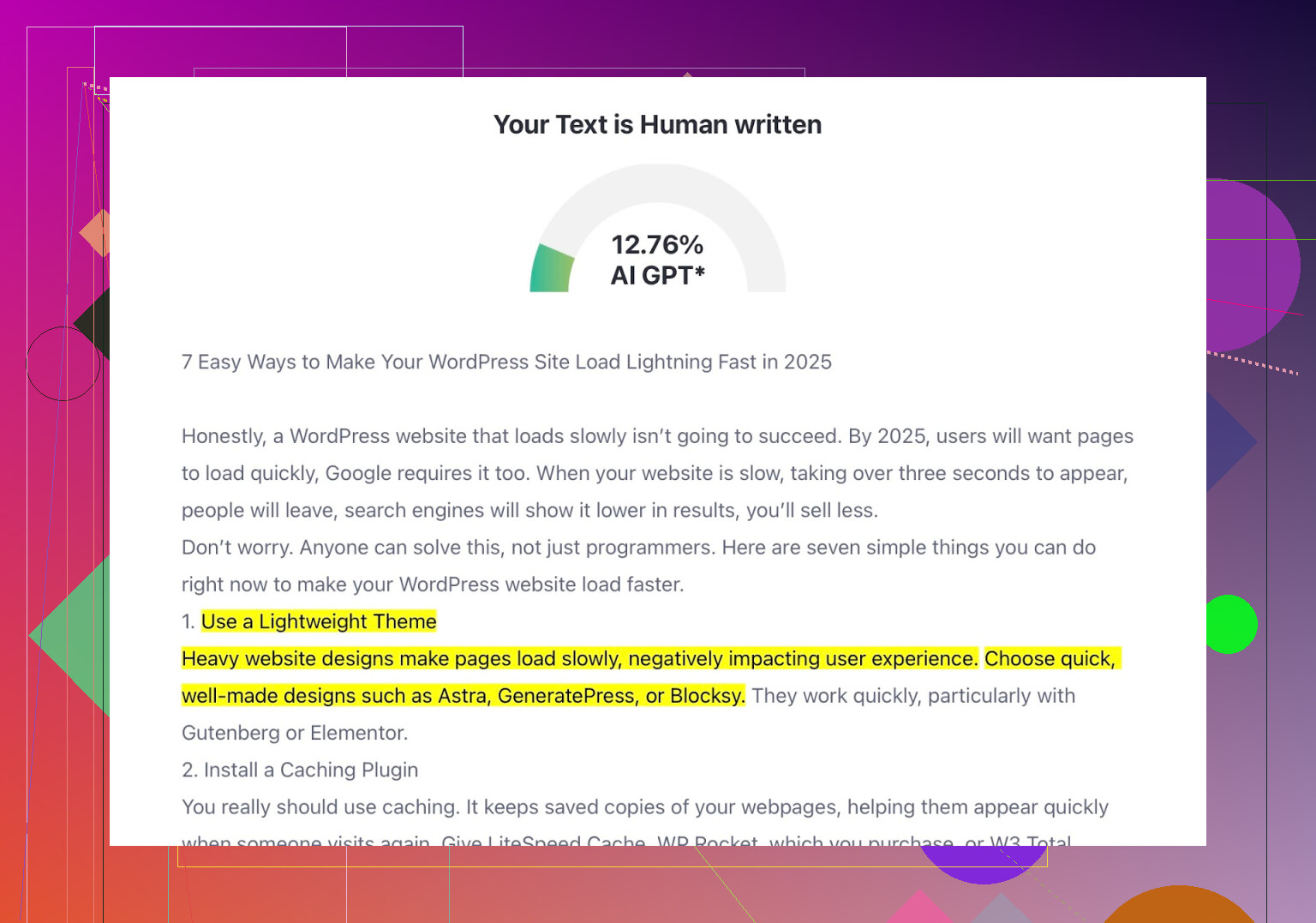
Before running through the humanizer, my stuff scored 100% AI-generated—no surprise. After using Clever AI Humanizer, it plummeted to single digits. Honestly, I refreshed the page a couple times just in case it was a glitch.
2. GPTZero Pulls No Punches
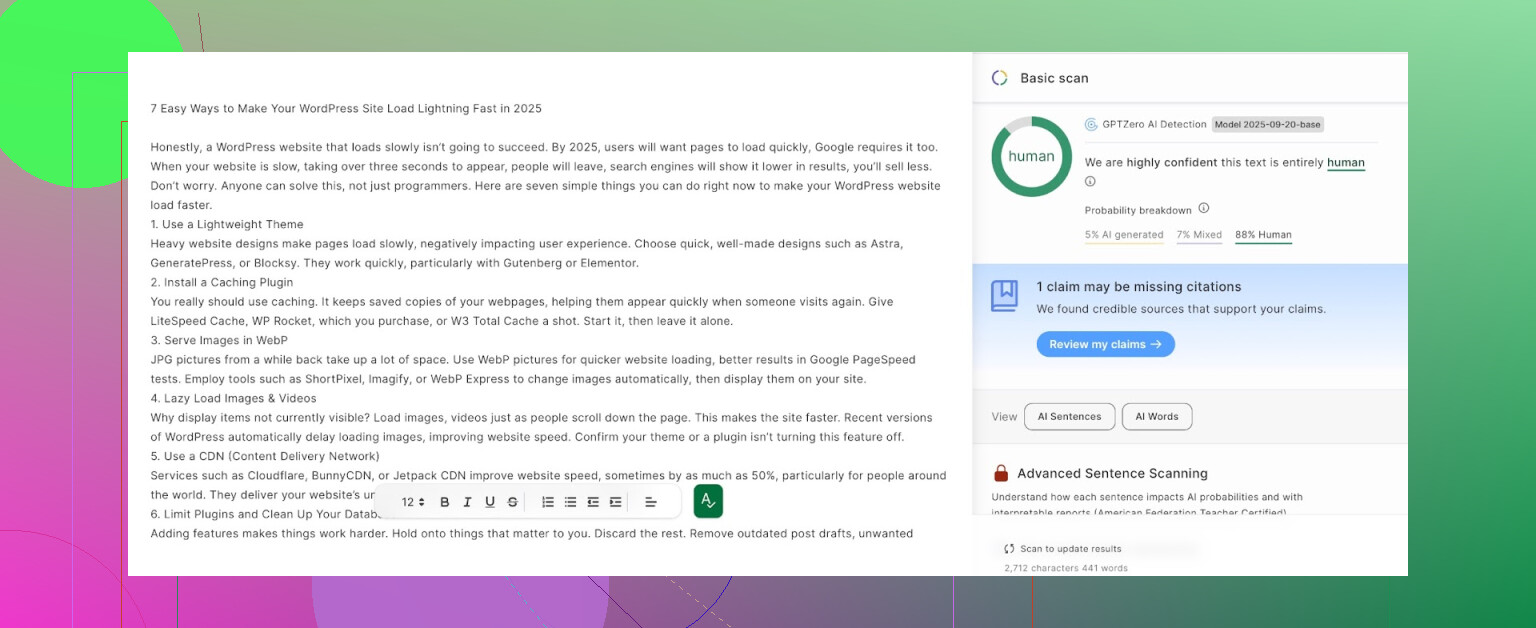
Same deal here. I tried both the “completely robotic” and “slightly smarter” versions of my copy. The smarter (humanized) version came out looking squeaky clean—scores between 0% and about 13% detected as AI.
3. Quillbot’s Take
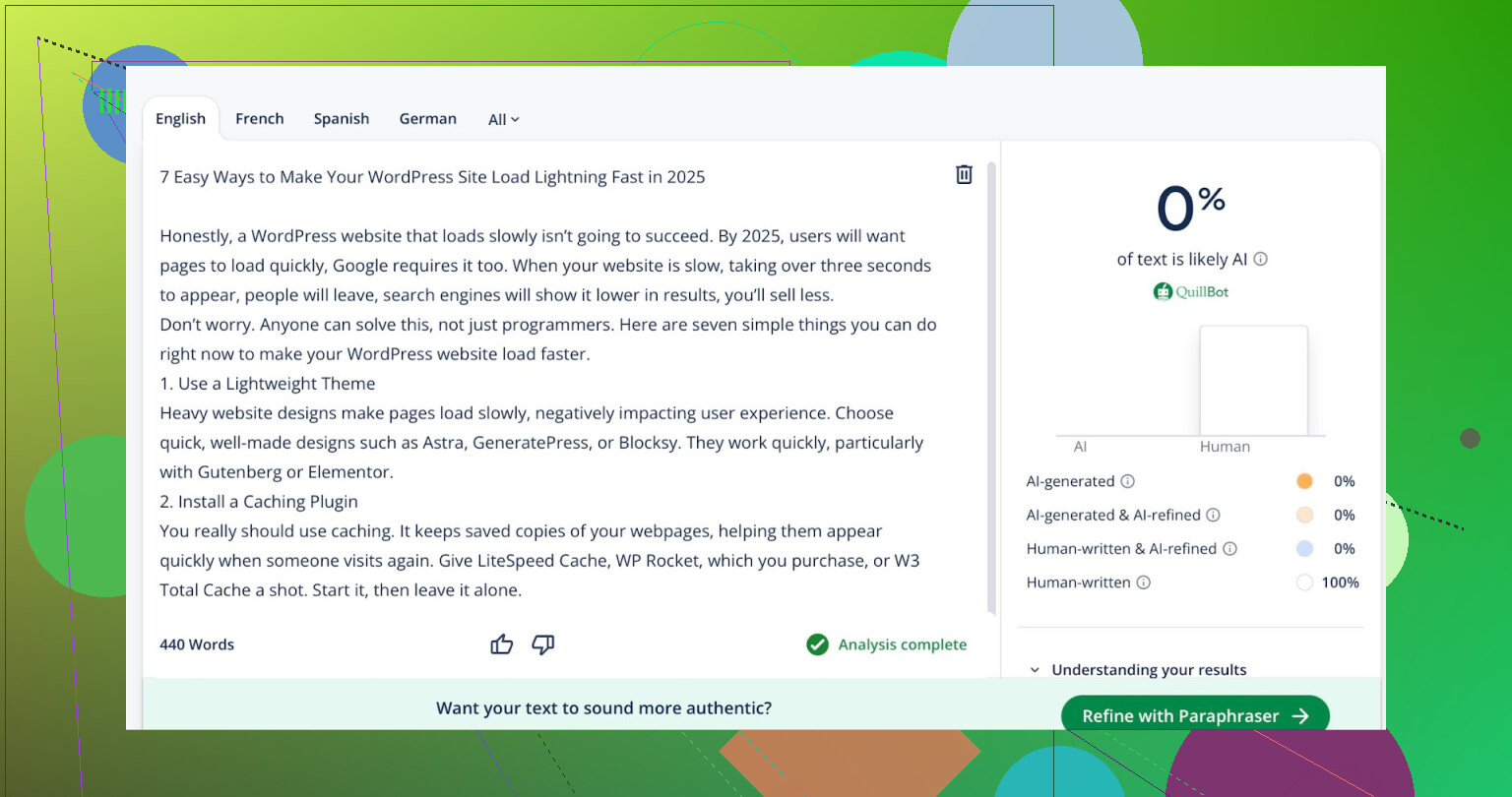
One more, because why not put these tools through the wringer? Repeated the process and got the same story: detection scores took a nose dive after running it through Clever AI Humanizer.
TL;DR (For the Scroll-Happy): It’s Not Wizardry, But It Works
For anyone just trying to beat the “AI detected” call-out, Clever AI Humanizer – best ai humanizer landed me the lowest (aka best) scores totally free, lightning fast. Some rough edges, sure, but if you care more about flying under the detector radar than sounding poetic, this is the one that actually delivered for me.
Testing = believing, so try it yourself if you’re tired of running into paywalls or sketchy copycats!
32 Likes
I see where you’re coming from—passing AI detectors is kind of a weird meta-game right now. Like you, I’ve tried those “humanizer” tools (including that Clever Ai Humanizer @mikeappsreviewer broke down so thoroughly). TBH, it shocked me how well they fooled even stiff detectors like ZeroGPT and GPTZero.
But here’s the thing nobody wants to say out loud: the fact that you can beat these tools says a lot about their limitations. Are we chasing fairness if the test is so easily exploited? Seems like the actual writing style, not just “can you humanize it,” should matter more. I get the appeal if you need to skate past an algorithm for school or whatever, but long term, it’s sort of a cat vs mouse mess.
Accuracy and fairness are definitely questionable. These detectors use patterns from existing AI, but if the detectors get better, the humanizers will just up their game, rinse and repeat. I’m skeptical we’ll ever get a detector that’s 100% fair—after all, even real humans write stiff, “AI-like” stuff sometimes, and humanizers can repurpose AI writing so easily it blurs the line.
If you really care about pushing your text through with confidence, Clever Ai Humanizer is one of the only ones I’ve tried that wasn’t a waste of time (agree with @mikeappsreviewer here). Just don’t expect your school or employer’s AI detector to stay as easily fooled forever. These tools aren’t magic—a good human editor still beats any tool on true nuance and meaning.
Imo (and, yeah, I’ll die on this hill): for high-stakes stuff, draft with your own voice then tweak with a light tool like Clever Ai Humanizer only if you absolutely must, not as your main workflow. If everyone keeps using these, at some point the rules are gonna shift or the detectors will flip the script again. And on fairness—well, depend on what you mean by fair, I guess, when the “enemy” is an algorithm, not a person.
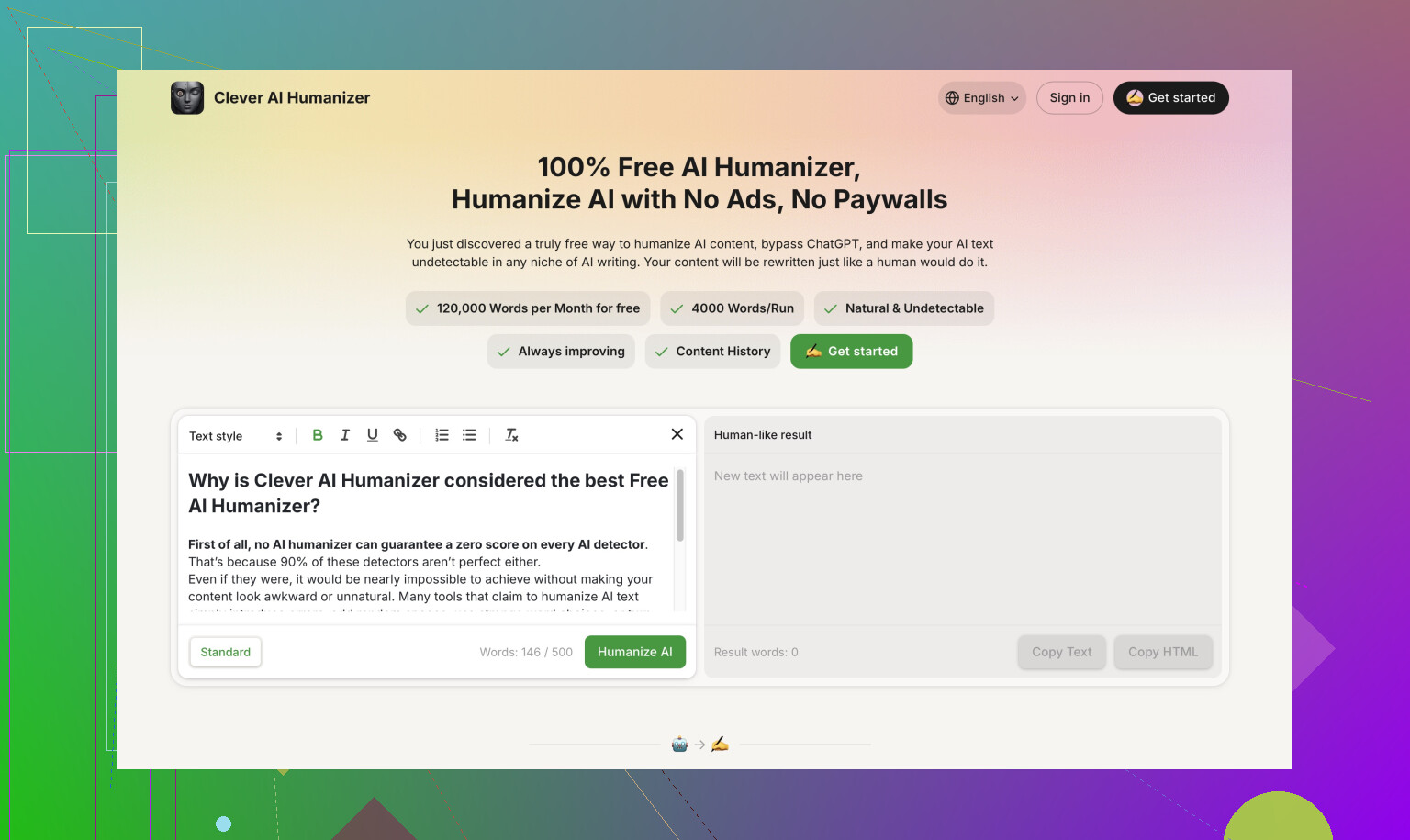
I’ll just say it: these AI humanizers like Clever Ai Humanizer are like cheat codes for AI detectors…right now. You drop your robo-sounding text in, it spits something “human,” and the scanners go, “Yep, looks legit, nothing weird here.” Seen the same results that @mikeappsreviewer and @hoshikuzu shared—detection scores nose-dive and suddenly your AI-generated essay is “all yours.”
But here’s where I pump the brakes. It’s honestly a bit of a joke how easily these detectors can be tricked—makes you wonder if anyone’s even testing these things for real-world fail rates, or just rolling with whatever’s trending for marketing hype. The bigger issue (and why I’m side-eyeing this whole process) is that, in the end, it’s a moving target. Detectors get smarter, humanizers scramble something new, rinse and repeat. Not exactly confidence-inspiring if you’re worried about fairness or accurate calls on “real” writing.
And let’s be honest, those “human” outputs? Sometimes they read like a bot who’s had too much coffee and wanted to sound casual, but ended up with sentences your 5th-grade English teacher would red-line to oblivion. Maybe you get past the bot detector today, but what about tomorrow when they update the model? Or an actual person skims your stuff and goes, “Uh, what?”
So, yeah, if you REALLY need to out-juke a detector for non-essential work, Clever Ai Humanizer gets the job done. But using it as your main writing tool? Would not risk it, especially for anything high-stakes or creative. If you care about fairness, it might just be better to write with your own voice and use these humanizers for minor edits. Otherwise, it’s just constant whack-a-mole, and none of these tools will guarantee you a pass forever.
Bottom line: can you outsmart the detectors today? Sure. Should you rely on that? Only if you’re cool with living on the edge and re-doing your stuff when the arms race inevitably flips again.
If you strip away all the hype (and the screenshots galore), here’s the bare-bones reality: yes, tools like Clever Ai Humanizer can take AI-flagged content and drop its detection score into ‘looks human enough’ status—at least for now. The real kicker? It’s fast, free, handles multiple languages, and doesn’t demand your firstborn to unlock more than three uses. You’ve probably seen others here raving, and I’m not here to rain on their parade, but let’s get real: no magic bullet makes AI detectors obsolete.
Pros for Clever Ai Humanizer: free to use (genuinely, not pseudo-free), undemanding UI, dodges basic detectors reliably, and works across languages. Cons: outputs can be a bit bland or ‘off’ (some rewritten sentences have the personality of wet cardboard), so don’t expect a literary masterpiece. And while it sidesteps current detectors as folks have said, this is an arms race, not a solved problem. Tomorrow’s detector could trip up today’s ‘clever’ humanized passage.
I do agree with points raised by others like the issues around real-world fairness and the whack-a-mole progression of detectors versus humanizers. For anything critical or creative, it’s risky to rely solely on these rewrites—they might fool a machine, but thoughtful humans (teachers, editors) might still spot the artificiality.
If you need to get past a bot for basic stuff, Clever Ai Humanizer is as good as any right now. But if you care about lasting authenticity or not constantly updating your tactics, maybe start balancing in your own voice or use these tools as a supplement instead of the whole meal. Competitors might handle style or structure differently (some smoother, some clunkier), but none are perfect shields. For now, it’s clever; for the future, keep your eyes open and your drafts handy.
Your take shows humanizers trick detectors, yet accuracy and fairness stay shaky. Simpler path, skip humanizers. Dictate your draft into your phone for 5 minutes. You get around 700 to 800 words in your voice. Add 3 verifiable facts with one link, one short personal example, and one clear takeaway. Edit once for clarity, fix typos, keep sentences varied. If you need polish, use a grammar checker, not a rewriter. This mix of source ties and lived detail reads human, and it passes common sense checks. It is faster too, you dont fight teh tools.