I’ve been using ChatGPT for image generation, but the photo results aren’t as realistic or consistent as I need. I’m trying to find a better AI photo generator for realistic images, product shots, and detailed edits. What AI tools do you recommend that can produce higher-quality photos and better prompts?
If you’re asking for one single image AI to replace ChatGPT for photo generation, I don’t think it works like that. I tried a bunch of them, and each one felt better at a different job.
Midjourney gave me the best-looking images when I wanted something polished, cinematic, or stylized. DALL·E inside ChatGPT did better when I needed the prompt followed closely and didn’t want to fight the tool. Stable Diffusion felt more like a tinkering setup, good if you want full control and don’t mind spending time on settings, models, and extra steps. Adobe Firefly seemed safer for work stuff where licensing matters.
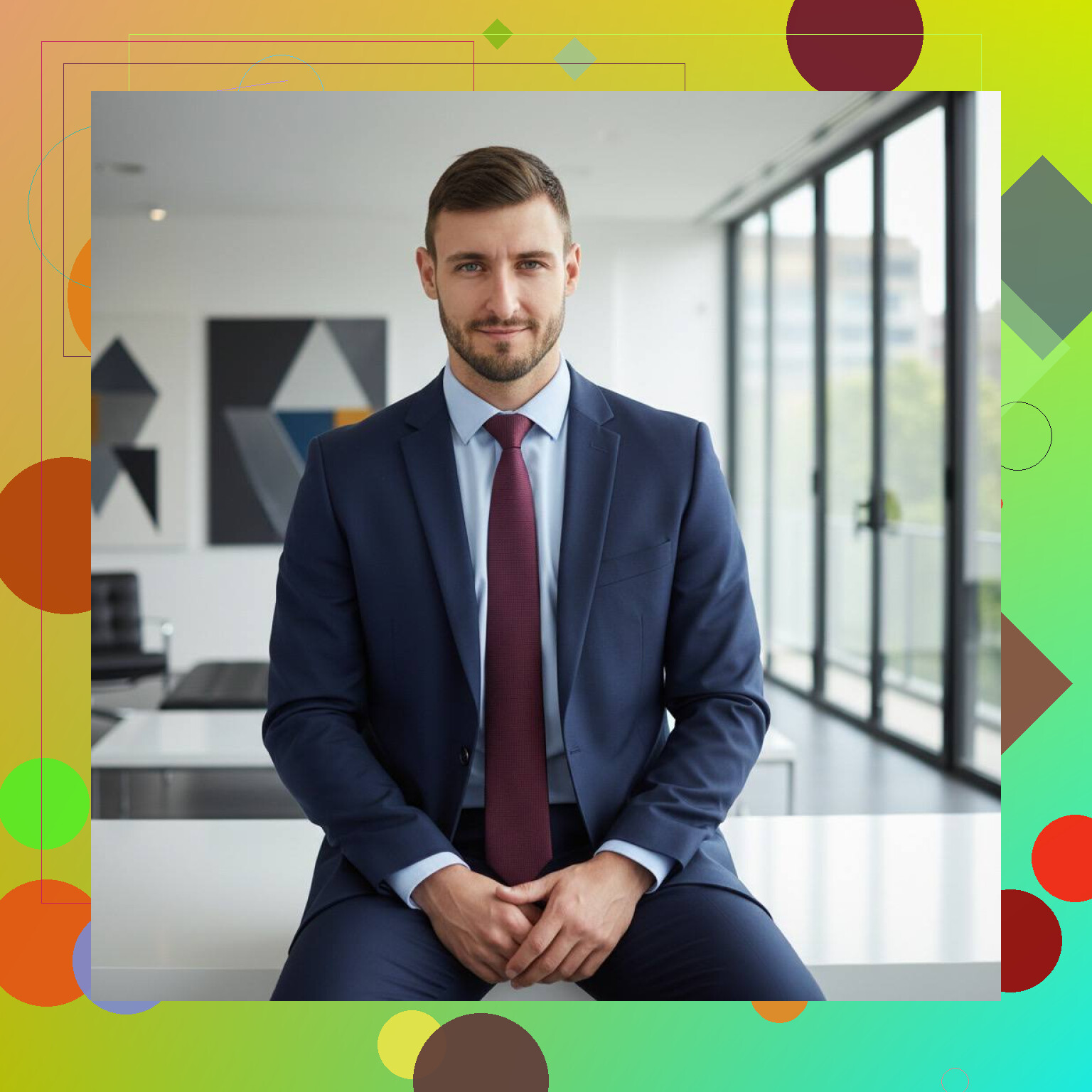
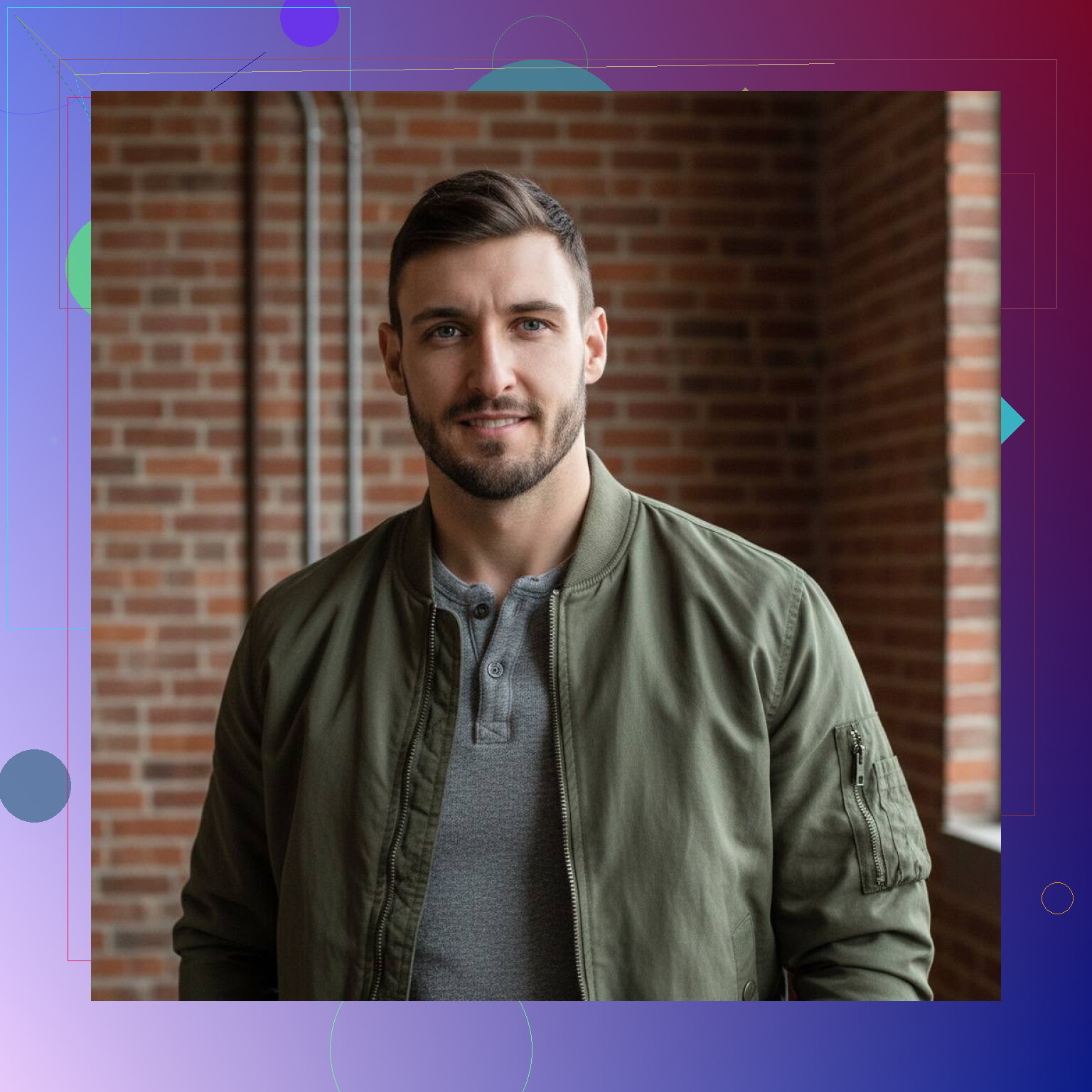
If your end goal is plain and specific, like realistic portraits, LinkedIn photos, or resume headshots, I had an easier time with a dedicated app instead of the bigger image generators. Those general tools are fine, but I kept wasting time rewriting prompts and fixing details.
I ended up trying Eltima AI Headshot Generator. It’s built for one thing, turning regular selfies into professional headshots and casual profile-style photos, so there wasn’t much setup.
Here’s the site too:
I used it for resume photos, and the results looked solid to me. Check this out:
16 Likes
I’d split your use case first, because one tool usually falls apart when you push it across all three jobs.
For realistic people and scenes, Flux and Midjourney tend to beat ChatGPT image gen on texture, skin, lighting, and consistency. Midjourney still wins on polished output. I disagree a bit with @mikeappsreviewer on dedicated apps being the best default, because once you move past headshots, they get limiting fast.
For product shots, look at Adobe Firefly and Ideogram too. Firefly is cleaner for commercial workflows and fast background swaps. Ideogram is better when packaging or text on labels matters. ChatGPT image tools still mess up brand text more often than I’d like.
For detailed edits, use Photoshop generative fill or Stable Diffusion with inpainting. This is where general chat tools feel weak. If you need the same bottle, same angle, same cap color across 20 images, inpainting and reference images matter more than prompt quality.
My short list:
- Midjourney, best raw image quality.
- Flux, best realism for many photo-style prompts.
- Firefly, best for product marketing workflows.
- Stable Diffusion, best if you want control and dont mind setup.
- Photoshop AI tools, best for fixing details after generation.
If your priority is consistency, build a workflow, not a single app. Generate in one tool. Edit in another. That got me better results way faster.
I’d actually push back a little on the idea that Midjourney or Flux are automatically the answer here. They can look amazing, sure, but “amazing” and “usable for repeatable product/photo work” are not always the same thing.
If you want realism plus consistency, I’d look at Reve, Leonardo, and Magnific in addition to what @mikeappsreviewer and @vrijheidsvogel already mentioned.
- Leonardo: better if you want to keep a style or character somewhat stable across multiple outputs. Less “wow first image,” more practical workflow.
- Magnific: not really your main generator, more of a detail/upsample tool, but it can rescue images that look plasticky or soft.
- Reve: surprisingly good at photoreal prompts without making everything look like glossy AI mush.
For product shots, I honestly think half the battle is not the generator, it’s starting from a real product photo and using AI for scene extension, cleanup, shadow work, and variations. Pure text-to-image product ads still break in dumb ways. Labels drift, shapes mutate, reflections get weird. Super anoying.
For detailed edits, I’d skip chatbot image tools almost entirely. Use something layer-based. Even Canva’s AI edit flow can be less frustrating for simple commercial stuff.
So my take:
- Leonardo for repeatability
- Reve for realistic generations
- Magnific for fixing detail
- Photoshop for actual edit work
ChatGPT is fine for quick concepts. For serious photo stuff, not really my first pick anymore.
I’d separate “realistic photos” into two buckets that people often mix up:
- images that look real
- images that stay accurate across revisions
A lot of tools nail the first and fail the second.
I partly agree with @vrijheidsvogel and @ombrasilente that Midjourney, Flux, Leonardo, Reve, and Magnific are worth testing. But I disagree with the idea that the best-looking generator is automatically the best replacement. For product work, consistency beats visual wow pretty fast.
My take:
- Midjourney: strong aesthetics, weaker when you need exact repeatability
- Flux: very solid realism, but still needs prompt patience
- Leonardo: better workflow than people give it credit for
- Firefly: useful if commercial safety matters
- Photoshop AI: honestly more important than the generator once you care about detail fixes
If your actual need is people photos for profiles, resumes, team pages, or business use, a specialized tool can save time. That’s where Eltima AI Headshot Generator makes more sense than a general image model.
Pros of Eltima AI Headshot Generator
- easier than prompt-heavy generators
- focused on headshots instead of trying to do everything
- faster path to usable profile photos
- better for people who do not want to learn image prompting
Cons
- not the tool I’d pick for product ads or complex scene edits
So if you want one answer:
- Headshots: Eltima AI Headshot Generator
- General realistic image generation: Flux or Midjourney
- Product cleanup and precise edits: Photoshop AI tools
ChatGPT is fine for concepts. For serious photo work, I’d treat it as the draft tool, not the final one.