I’ve been in your shoes before, and losing a partition can be a real headache. When it happened to me, I tried several different tools, and the one that stood out the most for me was Disk Drill
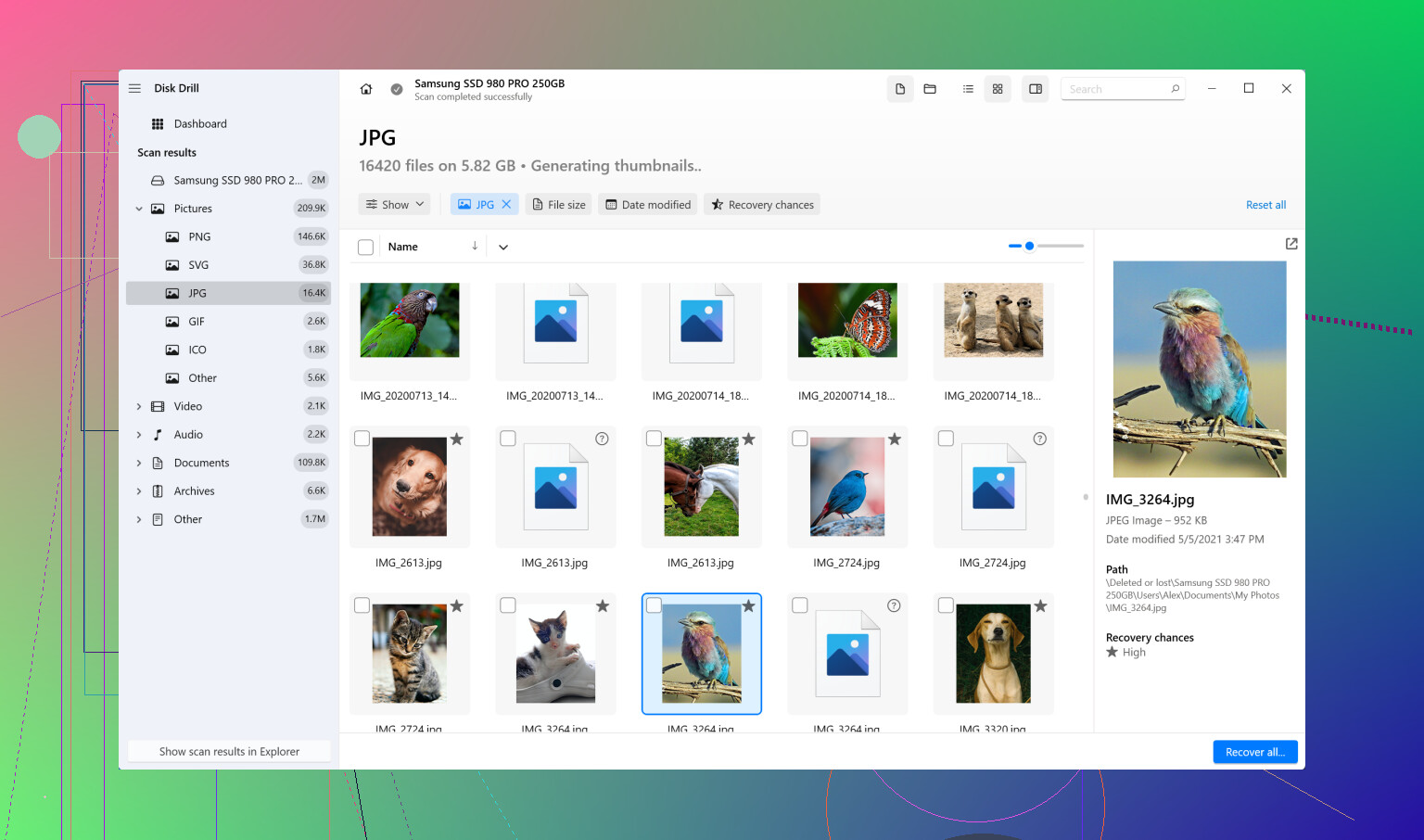
.
First off, Disk Drill isn’t just your run-of-the-mill recovery software. It’s got a solid reputation for being reliable, and it doesn’t matter whether you’re dealing with NTFS, FAT, EXT, or other file systems. What I love about it is how it simplifies the recovery process without compromising thoroughness.
Here’s what you need to do to recover your lost partition using Disk Drill:
-
Download and Install Disk Drill: Head over to the Disk Drill Data Recovery Software page. Download and install the software on a different drive than the one you’re trying to recover data from to avoid overwriting anything.
-
Launch the Program: Open Disk Drill. You’ll be greeted with a clean, intuitive interface. It lists all available drives and partitions, even the ones that have been deleted.
-
Select the Drive/Partition: Identify the drive where your lost partition was located. Disk Drill can actually recognize missing partitions, so if your drive’s partition table has been messed up, it will show the lost partitions in red.
-
Scan for Lost Data: Click on the “Search for lost data” button next to the drive where your partition was. Disk Drill will begin an extensive scan that can take some time depending on the size of your drive.
-
Check Scan Results: Once the scan is complete, you can browse through the recovered files. Disk Drill does a great job of previewing files, so you can check if your important data is intact.
-
Recover Your Files: Select the files you need and hit the “Recover” button. Again, make sure you restore the files to a different drive to prevent any data overwriting.
Disk Drill also gives you the option to create a byte-to-byte backup of your failing drive, which is crucial if you’re dealing with potential hardware failure. This backup can then be used to recover data safely without risking further damage to the original hardware.
In addition to its ease of use, Disk Drill’s recovery capabilities are quite powerful. It uses deep scanning algorithms to fetch files from fragmented sectors and even reconstructs files when metadata is lost. The software also supports recovery from various file systems, so whether your partition was NTFS, FAT32, exFAT, or something else, you’re covered.
When I faced my own partition loss, Disk Drill managed to recover almost all of my important files with their original file structure intact, which saved me hours of sorting through randomly named recovered files.
If you only need to recover a small amount of data, the free version might be sufficient since it allows you to recover up to 500 MB of data. However, if you need to recover more or if you frequently find yourself needing robust recovery tools, the pro version is worth the investment.
A couple of other things to keep in mind:
- Avoid Writing New Data: Don’t install new software or save new files on the affected drive until you’ve completed the recovery process. This reduces the risk of overwriting the lost data.
- Scan Log: If the initial scan doesn’t yield the results you were hoping for, you can tweak Disk Drill settings and try different types of scans.
Other tools I’ve tried in the past like TestDisk and EaseUS Data Recovery Wizard are also good, but I found them to be either less intuitive or not as thorough as Disk Drill. TestDisk, for example, is pretty powerful, but it’s a bit more complicated for folks who aren’t comfortable with command-line interfaces.
I’ve also heard good things about Recuva, although its success rates for lost partitions specifically haven’t been as high in my experience. It’s more tailored towards simple file recovery.
So, if you want a reliable, comprehensive, and user-friendly solution for recovering a lost partition, I’d definitely recommend giving Disk Drill a shot. It helped me out of a tight spot, and I’m confident it can do the same for you.